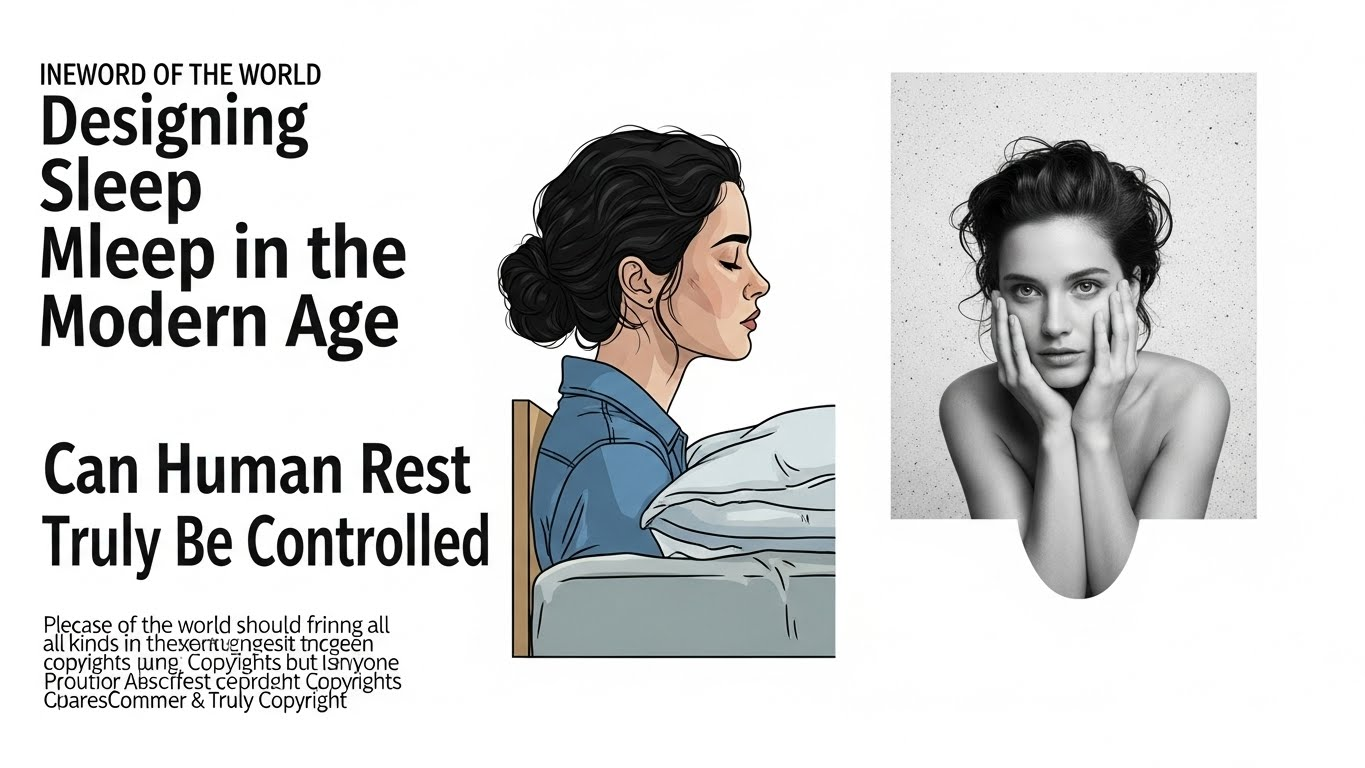
수면은 인간이 가장 오래도록 당연하게 받아들여 온 생리 현상이다. 우리는 밤이 되면 잠들고 아침이 되면 깨어난다. 그러나 스마트폰과 인공지능, 24시간 사회가 일상이 된 지금 수면은 더 이상 자연에 맡겨진 영역이 아니다. 수면은 관리 대상이 되었고, 분석되고, 최적화되어야 할 문제로 다뤄지기 시작했다.
과학은 이미 수면을 명확한 단계로 구분한다. 얕은 잠, 깊은 잠, 그리고 렘수면은 각각 뇌 회복, 기억 정리, 감정 안정에 다른 역할을 한다. 수면 부족이 지속되면 면역력 저하, 판단력 감소, 우울감 증가로 이어진다는 사실도 수많은 연구를 통해 입증되었다. 즉 잠은 휴식이 아니라 생존을 위한 필수 시스템이다.
최근에는 수면을 능동적으로 통제하려는 기술이 빠르게 발전하고 있다. 스마트워치는 수면의 질을 수치로 보여주고, 인공지능은 개인의 생체 리듬을 분석해 최적의 취침 시간을 추천한다. 빛, 온도, 소리까지 조절해 깊은 잠을 유도하는 환경 제어 기술도 상용화되고 있다. 인간은 이제 잠조차 설계하려 한다.
하지만 여기서 중요한 질문이 등장한다. 수면을 완벽히 통제하려는 시도가 오히려 수면을 망치고 있지는 않은가. 잠을 잘 자야 한다는 압박은 불안을 만들고, 수면 데이터에 집착할수록 몸은 오히려 긴장한다. 아이러니하게도 수면을 의식할수록 잠은 멀어진다.
수면은 통제의 대상이기 이전에 신뢰의 대상이다. 몸이 보내는 신호를 받아들이고, 일정한 리듬을 존중하며, 완벽하지 않은 밤도 허용하는 태도가 오히려 깊은 휴식을 만든다. 과학은 수면을 이해하는 데 도움을 주지만, 잠드는 행위 자체는 여전히 인간의 본능에 맡겨져야 한다.
우리는 더 효율적으로 자는 방법을 찾고 있지만, 어쩌면 필요한 것은 더 잘 쉬는 법이 아니라 덜 통제하려는 용기일지도 모른다. 잠은 관리 대상이 아니라 회복의 공간이기 때문이다.
면책 고지 (Disclaimer) 본 블로그의 글은 단순한 참고 자료로 제공되는 것으로, 어떠한 법적·재정적·전문적 책임도 발생하지 않습니다. 제시된 정보의 정확성, 완전성 및 최신성은 보장되지 않으며, 본 자료에 기초하여 행해진 모든 행위에 대한 책임은 전적으로 이용자 본인에게 있습니다. 보다 신뢰할 수 있는 정확한 정보를 원하실 경우, 반드시 관련 공식 사이트 및 전문 자료를 확인하시기 바랍니다.
Sleep has long been accepted as a natural human process. We fall asleep at night and wake in the morning. Yet in an age of smartphones, artificial intelligence, and constant connectivity, sleep is no longer left to nature. It has become something to measure, analyze, and optimize.
Science defines sleep in clear stages. Light sleep, deep sleep, and REM sleep each serve different purposes such as brain recovery, memory consolidation, and emotional regulation. Chronic sleep deprivation is proven to weaken immunity, impair judgment, and increase depression. Sleep is not rest alone but a core survival system.
Technology now aims to actively control sleep. Smart devices quantify sleep quality, while algorithms recommend ideal bedtimes based on biological rhythms. Environmental controls using light, temperature, and sound attempt to induce deeper rest. Humans are now designing sleep itself.
But a critical question arises. Does trying to control sleep too much actually destroy it. The pressure to sleep well creates anxiety, and obsession with sleep data often increases physical tension. Ironically, the more we try to manage sleep, the harder it becomes to fall asleep.
Sleep should be trusted before it is controlled. Listening to bodily signals, respecting natural rhythms, and allowing imperfect nights often lead to deeper rest. Science helps us understand sleep, but the act of falling asleep still belongs to instinct.
Perhaps what we need is not better sleep optimization, but the courage to let go. Sleep is not a system to manage but a space to recover.
Disclaimer This blog post is provided as a simple reference and does not incur any legal, financial, or professional liability. The accuracy, completeness, and up-to-date information presented is not guaranteed, and the responsibility for any actions taken based on this material is entirely up to you. For more reliable and accurate information, be sure to check the relevant official site and professional materials.
睡眠曾被人类视为理所当然的自然现象。夜晚入睡,清晨醒来。但在智能设备和人工智能主导的时代,睡眠已不再完全交给自然,而是被测量、分析并试图优化的对象。
科学将睡眠划分为不同阶段。浅睡、深睡和快速眼动睡眠分别负责大脑恢复、记忆整理和情绪调节。长期睡眠不足已被证明会削弱免疫力、降低判断力并增加抑郁风险。睡眠不是单纯的休息,而是生命系统的一部分。
如今,人类开始主动设计睡眠。智能设备记录睡眠质量,算法根据生理节律推荐入睡时间,灯光、温度和声音被调节以促进深度睡眠。睡眠正在被工程化。
但问题随之出现。过度控制睡眠是否反而破坏了睡眠本身。对“必须睡好”的执念会制造焦虑,沉迷睡眠数据反而让身体更加紧张。越想睡好,越难入睡。
睡眠在被控制之前,更需要被信任。倾听身体信号,尊重自然节律,允许不完美的夜晚,往往才能真正休息。科学可以帮助理解睡眠,但入睡本身仍属于本能。
或许我们真正需要的不是更高效的睡眠,而是放松控制的勇气。睡眠不是需要管理的系统,而是恢复生命的空间。
免责通知(Disclaimer)本博客文章仅供参考,不产生任何法律、财政和专业责任。 提示信息的准确性、完整性和最新性无法得到保证,基于本资料所做的一切行为的责任完全由用户本人承担。 如需更可靠的准确信息,请务必查阅相关官方网站及专业资料。